Design 101: Espalier

Design 101, Formal Garden, G A R D E N S, gardening, Inspiration

Espalier Defined:

The process of manipulating the growth of woody plants into a flat (2-D) plane by trimming and tying branches. Commonly used with fruit bearing trees against structures; horizontal clipping encouraging fruit production and radiant heat from walls prolonging growing period.  Used for both form and function in a landscape as focal points, delineate areas, screening and fruit production. (Follow my pin board for examples)


Designing for Espaliers:

The practice of training fruit bearing plants dates back to the Romans/Egyptians, but it was the Europeans, specifically the French who have influenced and perfected the designs we see today.

  • Great  for small spaces with limited space for growth. Planted root bulbs can be planted next to building foundations with 4 inches between plant and wall.
  • Instant impact when purchased as fully trained specimen.
  • Provide structure and form in the garden during the winter.


Variety of woody plants can be used for Espaliers. I recommend finding something that isn’t too vigorous a grower if buying an established espalier, or else you will be trimming all the time. Also look for good horizontal branching structure.

Here is a list of Ornamentals good for Espaliers:

  • Gingko biloba
  • Fagus sylvatica culivars – i.e Tricolor beech
  • Acer palmatum cultivars –
  • Pyrus calleryana- Callery pear
  • Tillia- Liden
  • Katsura- Katsura
  • Cedrus atlantica – Blue atlas Cedar

Of course there are the fruit bearing woody plants that this method was developed include varieties of apples, pears, plums, peaches, etc.


Espalier Designs:

There is a lot of documentation on how to train an espalier, however training a mature espalier will take up to five years with the faster growing varieties. I recommend purchasing a fully trained tree, however it will be an investment. There are some amazing growers specializing in espaliers and are craftsmen at creating the technique.


Your local nursery may have one of the traditional espalier designs and varieties in stock or can order one for you. (Always ask if they will order you a specific plant if not in stock. You might have to wait a bit, but you can get the less common plants this way.)


If you would like information on training your own espalier I recommend - Pruning and Training Plants : A complete guide, David Joyce. This book breaks down pruning and training by the plant type so you can get the specific information based on the plants natural growth characteristics.   Also The Edible Front Yard by Ivette Soler (pg 28-29) has a great step by step.


Examples of Espaliers:

The practice of espaliering has been traced back as far as the Egyptians, but it was the French that have perfected the methods we follow today.  There are many different styles defined, but I have listed the most common methods below with examples. I have listed the most popular designs below, but there are many more designs.


Cordon – This is the historical method for growing espaliers. The horizontal method is best for producing fruit, but there are also the simple vertical designs. Can be grown against walls, fences and stand alone.

  • Vertical Cordon
  • Oblique Cordon
  • Horizontal Cordon
  • Single “U” Cordon
  • Double “U” Cordon

Candelabra -  I have often seen this grouped within the Multiple Cordons categorized as a Multiple Cordon/Triple U Cordon. This is great for growing up on vertical walls, and is named for the shape looks exactly like a candelabra. Note I have also seen the Palmette Verrier called a candelabra, I am researching to fine the definitive answer on this one)


Palmette Verrier and Palmetter Oblique – The distinguishing feature of the Palmette Verrier is the central stem with side branches turning from the horizontal to the vertical in a  90 degree angle. The Palmetter Oblique also features a central stem, but has oblique or diagonal branches.  The Goblet is a version of the Palmetter Verrier, but instead of the 90 degree turn up, the branches are trained at a curve from the central stem.


Belgium Fence –This design features multiple trees (at least five) trained together into a design that intercept on the oblique/diagonal.  Spacing is key on this design to ensure balance in the pattern is symmetrical.


Free form/Informal designs – Like any design rules, great things can happen when they are broken.  The only rule with informal espaliers is to keep the 2-D plane and allow the branches to follow any pattern you desire.


(Image credits: 1, 2 – personal photos,  3, 4, 5, 6)


If you like the green vertical walls, here are some additional terms/design methods to research:

  • Pleaching (see previous blog post – here)
  • Green Walls (such as woolly pockets)
  • Natural Climbers (Examples include – Ivy, Roses and Wisteria)

WSJ Magazine – Gil Schafer & Deborah Nevins

Inspiration, Landscape Design

Image above from WSJ Magazine article, features low field stone walls and low clipped hedges.

In our house we get a lot of magazines because you never know where you will find a great article that opens you to a new designer/product etc. That can totally be said for the WSJ Magazine which is printed ten times a year in the Wall Street Journal Weekend edition the first weekend of every month. The July/August issue included the landscape of architect Gil Schafer (a new resource for classical architecture and restoration) by his friend and famous landscape designer Deborah Nevins (amazing work portfolio I have admired).  WSJ.com includes the majority of the article and amazing photos so please read and if you don’t already, plan on checking the newsstands monthly for the WSJ Magazine (the tracked section alone is with the purchase).

Images above from the WSJ Magazine Article of Gil Schafer’s home in New York, which include a walled garden and tightly clipped privet hedges. 


Here are some more details of the work of both Designer and Architect featured in the article.

Deborah Nevins is a Landscape Designer (website here) that works across the globe designing landscapes which highlight the existing location’s beauty with classical, yet modern features and an particular emphasis on forms created by the plants and planting design. The images I pulled below really show how they create forms within the landscape, but there are a few examples of plant selection to highlight the region of landscape and environment.

Gil Schafer is an architect with a focus on the classicdetails of design creating and restoring homes that have and will stand the test of time (firm website). I am surprised how often I have seen his work in magazines and blogs without noting it was done by Gil. I really appreciate an architect that brings in a landscape designer before the home construction is started to ensure the best features of the land are included at the very beginning. Gil has a new book coming out in October (preview on his site here) called The Great American House, Tradition for the way we live now and it looks like a great reference for interpreting classic design for our modern lives. Below are selections of his work, I focused on the exteriors since it reflects the landscape more so than interiors and I tend to like classic exteriors with more minimal interior features.

Images above from Gil Schafer’s website feature a New York townhouse facade I have loved for years.

Images above from Gil Schafer’s website feature a center hall design house I have pinned for a design for my dream home.

Quick trip up to Michigan

Inspiration, Personal, Uncategorized | Tagged

This weekend we made a quick visit up to the Northern Detroit area to pick up something for a client at Detroit Garden Works. We decided to make it a little vacation and stayed the night outside Birmingham and visited some family in Northwest Ohio. Both Allison and I love the area of Birmingham for food, shopping and walking the neighborhoods. Here are some photos from our trip.

I love this gate, we need to finish the fence around our house yet this summer and this design is perfect to allow my wide mower through, yet a balance of modern/traditional to match the style of our house.


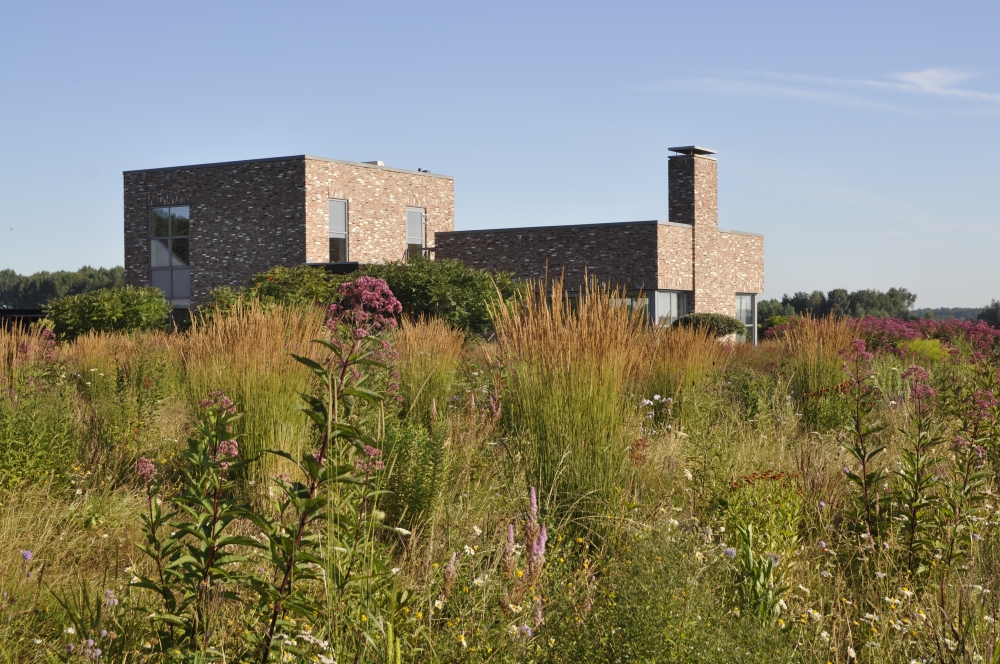
Also we stopped over at the Kresge Foundation building again to see how the natural gardens where holding up in the drought.

We visited the foundation with the perfect lighting. Here is an image of what I believe is Rudbeckia maxima, which were spread throughout the area.

These are photos of all the different textures around the Kresge Foundation.


We spent a lot of time at Detroit Garden Works visiting with Deborah and Rob and seeing all the amazing items they have in their store. If you live in the Detroit area, this coming weekend is their garden cruise touring landscapes by (or friends of) Deborah. I highly recommend you go and be completely inspired.

Our final stop was visiting Allison’s family’s farm in Northwest Ohio. James visited last summer during the planting season was was able to ride along while they planted a few rows. This year he actually got to drive a tractor.

After the Storm – Firewood

Inspiration, wood walls | Tagged , ,

Images: 1, 2

Just over a week ago, Ohio experienced a major storm that brought down trees and branches in almost every yard. Our house made it through with only a few small branches, but our neighbors and a few clients were not so lucky and lost complete trees. The clean up of tree limbs can be dangerous and labor intensive (especially in 100 degree temps), but the benefit is firewood for up coming cool fall nights.


Cutting the logs into uniform lengths and stacking will allow the wood to dry out and be perfect for firepits or winter fires. There are a lot of great unique ways to store your wood, but just keep in mind the further from the house the better since can attract termites. Here are some amazing landscapes using unique firewood storage solutions.

Images 1,2,3,4,5

You don’t need to build such an elaborate structure for your wood storage, there some great smaller storage solutions or you can even go old school and just pile in a covered area.

Images 1,2,3

Disclaimer for Ohio and Michigan Residents: You are unable to transport your firewood outside of the county due to the infestation of Emerald Ash Borer. You can still burn your own firewood at home with no issues.