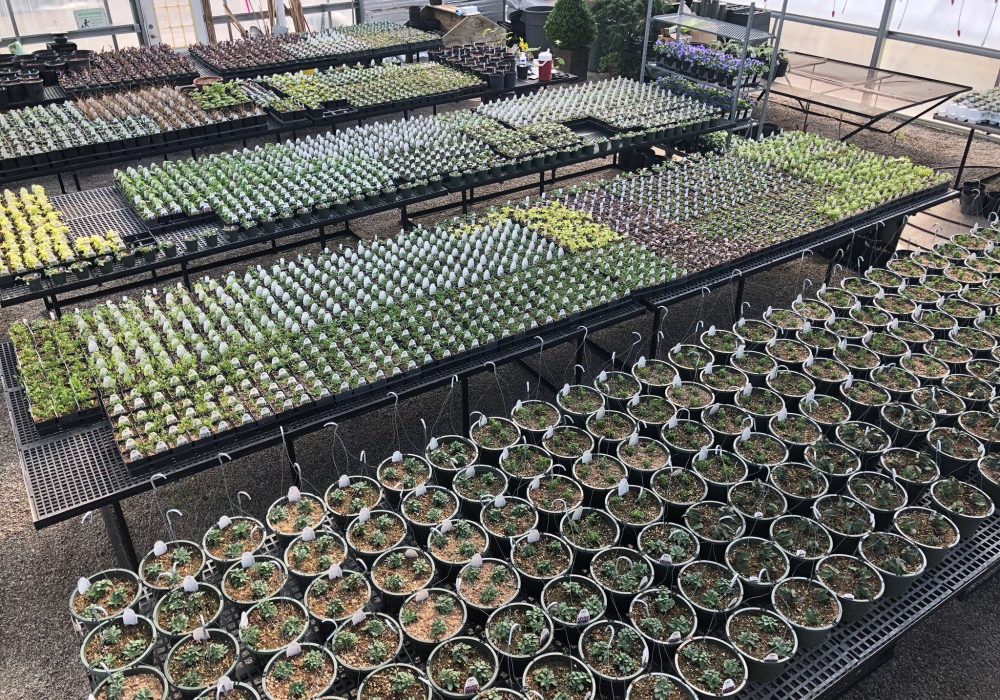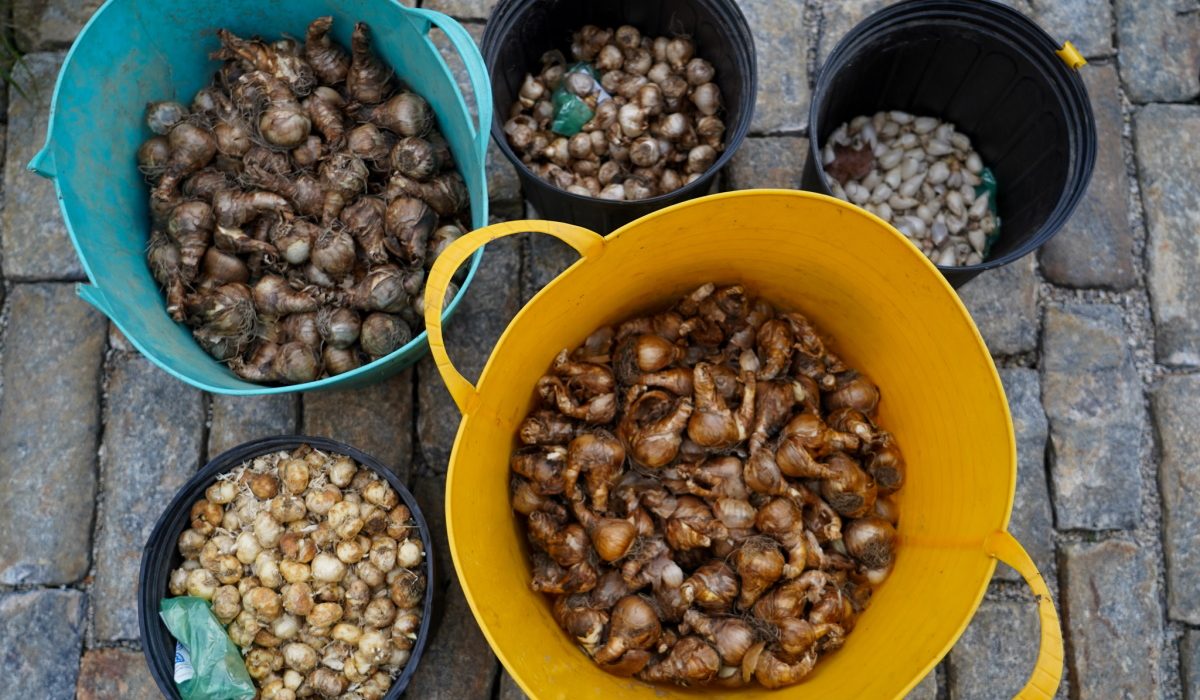
Three years in the making our peony production field is finally ready. Look forward to photos of all the flowers we have growing right here in Central Ohio for local brides, florists and friends.
Author Archives: Nick
Photos from My Yard
UncategorizedTonight when I got home, the lighting was perfect casting shadows and highlights across the entire landscape. I love how the landscape changes daily in the spring, so I captured some of the spring color and foliage with my iPhone. My resolution this year is to always have my Cannon D90 with me to get projects and work photographed at its peak, but already I have reverted back to the iPhone.
Design 101: Espalier
Design 101, Formal Garden, G A R D E N S, gardening, InspirationEspalier Defined:
The process of manipulating the growth of woody plants into a flat (2-D) plane by trimming and tying branches. Commonly used with fruit bearing trees against structures; horizontal clipping encouraging fruit production and radiant heat from walls prolonging growing period. Used for both form and function in a landscape as focal points, delineate areas, screening and fruit production. (Follow my pin board for examples)
Designing for Espaliers:
The practice of training fruit bearing plants dates back to the Romans/Egyptians, but it was the Europeans, specifically the French who have influenced and perfected the designs we see today.
- Great for small spaces with limited space for growth. Planted root bulbs can be planted next to building foundations with 4 inches between plant and wall.
- Instant impact when purchased as fully trained specimen.
- Provide structure and form in the garden during the winter.
Variety of woody plants can be used for Espaliers. I recommend finding something that isn’t too vigorous a grower if buying an established espalier, or else you will be trimming all the time. Also look for good horizontal branching structure.
Here is a list of Ornamentals good for Espaliers:
- Gingko biloba
- Fagus sylvatica culivars – i.e Tricolor beech
- Acer palmatum cultivars –
- Pyrus calleryana- Callery pear
- Tillia- Liden
- Katsura- Katsura
- Cedrus atlantica – Blue atlas Cedar
Of course there are the fruit bearing woody plants that this method was developed include varieties of apples, pears, plums, peaches, etc.
Espalier Designs:
There is a lot of documentation on how to train an espalier, however training a mature espalier will take up to five years with the faster growing varieties. I recommend purchasing a fully trained tree, however it will be an investment. There are some amazing growers specializing in espaliers and are craftsmen at creating the technique.
Your local nursery may have one of the traditional espalier designs and varieties in stock or can order one for you. (Always ask if they will order you a specific plant if not in stock. You might have to wait a bit, but you can get the less common plants this way.)
If you would like information on training your own espalier I recommend - Pruning and Training Plants : A complete guide, David Joyce. This book breaks down pruning and training by the plant type so you can get the specific information based on the plants natural growth characteristics. Also The Edible Front Yard by Ivette Soler (pg 28-29) has a great step by step.
Examples of Espaliers:
The practice of espaliering has been traced back as far as the Egyptians, but it was the French that have perfected the methods we follow today. There are many different styles defined, but I have listed the most common methods below with examples. I have listed the most popular designs below, but there are many more designs.
Cordon – This is the historical method for growing espaliers. The horizontal method is best for producing fruit, but there are also the simple vertical designs. Can be grown against walls, fences and stand alone.
- Vertical Cordon
- Oblique Cordon
- Horizontal Cordon
- Single “U” Cordon
- Double “U” Cordon
Candelabra - I have often seen this grouped within the Multiple Cordons categorized as a Multiple Cordon/Triple U Cordon. This is great for growing up on vertical walls, and is named for the shape looks exactly like a candelabra. Note I have also seen the Palmette Verrier called a candelabra, I am researching to fine the definitive answer on this one)
Palmette Verrier and Palmetter Oblique – The distinguishing feature of the Palmette Verrier is the central stem with side branches turning from the horizontal to the vertical in a 90 degree angle. The Palmetter Oblique also features a central stem, but has oblique or diagonal branches. The Goblet is a version of the Palmetter Verrier, but instead of the 90 degree turn up, the branches are trained at a curve from the central stem.
Belgium Fence –This design features multiple trees (at least five) trained together into a design that intercept on the oblique/diagonal. Spacing is key on this design to ensure balance in the pattern is symmetrical.
Free form/Informal designs – Like any design rules, great things can happen when they are broken. The only rule with informal espaliers is to keep the 2-D plane and allow the branches to follow any pattern you desire.
(Image credits: 1, 2 – personal photos, 3, 4, 5, 6)
If you like the green vertical walls, here are some additional terms/design methods to research:
- Pleaching (see previous blog post – here)
- Green Walls (such as woolly pockets)
- Natural Climbers (Examples include – Ivy, Roses and Wisteria)
Masters of Design: Russell Page (1906-1985)
Uncategorized“I know more about plants than most designers, and more about design than most plantsmen.” – (Montague) Russell Page
(image from here)
Recognized Style:
Neoclassical, Formal parterres, European with Middle Eastern influences
Page’s interest in gardening started at a young age with an early appreciation of Lawrence Johnston’s designs at Hidcote. With additional studies of sixteenth to the nineteenth French garden design and subsequent time spent in the Mediterranean, Middle East and Australia (to name a few), continued to influence his designs and plant selection. Page could often see the design for a garden upon the first tour of the space and took pleasure and pride in participating in planting the executed design.
Website:
Many of Page’s works are not well documented and have evolved over generations. The best record of his work is featured in The Gardens of Russell Page (see must read below). You can get more details on some of his work via the sites of the gardens/museums he designed. Here is a short list to review:
- The Frick Museum New York (virtual tour)
- Leeds Castle (the Culpeper Garden)
- PepsiCo Sculpture Gardens (portions)

Accolades:
The best accolades received were the commissions and client desires to have a Page designed garden. The list includes The Duke of Windsor, Edith Wharton, King of Belgium, Anne Bass, Leeds Castle. Additional official recognition includes:
- Designed & Directed the Festival of Gardens 1950 and received the OBE (Officer of the Order of the British Empire)
- Appointed Landscape Consultant by the Societe d’Encouragement for the racetrack at Longchamps, Pairs
Gardens of Note:
- Villa Silvio Pellico, near Turin Italy
- The Culpeper Garden, Leeds Castle
- Home of Frank de Poorteres, Kortrijk Flanders (my personal favorite modern design)
- Home of Anne Bass, Fort Worth Texas
- The Frick Collection, New York, New York
Will also like:
Must read:
In 1962 Russell Page published his only book, An Education of a Gardener. This book follows a study by study of the projects he has executed over his early/mid career (designed until his death in 1985). Reading it provides insight and a foundation for understanding how to design a garden form and function grounded in the horticulture selection. The Gardens of Russell Page is a photographic and biographical tour of the gardens Page designed throughout his career. It provides a record of his work before the gardens are changed and his footprint is erased by future generations.

Favorite plants in design:
Yew hedges, Roses, water features, clipped boxwood,
Happy First Day of Spring
UncategorizedEven though the temperature is less than 10 degrees above freezing, the sun was shining to welcome the first day of spring. In the garden there are a few additional reminders that warm weather is right around the corner.
The images above are taken on my in-law’s new property about a mile from my house. It is a wooded lot that has been untouched for at least 20 years, which makes finding these snow drops a special surprise. Over the next few seasons we will get to see the other wonderful plants hiding. The back of the property has a grove of maple trees that a neighbor has tapped for maple syrup.
Photos of the work on this property will be numerous over the following months/years as we develop the gardens and restore the woodlands.
Random Post – Instagram, Garden Design and Monty Don
Central Ohio, Garden Design Magazine, Landscape DesignThis weekend was amazing in Central Ohio, with sun and temps in the 60s you can tell spring is right around the corner. I spent the majority of the weekend on my in-law’s new property cutting down dead ash trees and and cleaning up brush (more on that in another post). Since I spent my weekend mainly with a chainsaw in hand I did not plan much for a blog post so this will be random.
Wasting time with: Instagram – I am about two years late to joining this platform and am still getting ramped up. You can follow me at Nickmccland. Please give me great folks to follow -
Not Reading: Garden Design Folding – I am sure everyone has heard by now that Garden Design Magazine has folded with April being the last issue. I wonder if the folding is due to the lack of embracing the digital medias or aligning the content with the correct target audience (never fully satisfying the hobbyists or professionals). It could just be that a larger audience does not care about the typically more modern ascetic they magazine often showcased. With only 185,741 subscribers there is some reason that is beyond it being an expensive magazine to publish. I will miss the magazine and am excited to see how the garden design industry responds with filling the void (and what Bonnier will send instead to fulfill my subscription). For fellow design magazine junkies, I strongly suggestion you fill your gardening/landscape desire with Gardens Illustrated Magazine out of the UK. You can get a year subscription for $75 from Amazon and hands down this is the best gardening magazine for gardens both large and small, modern and classical and veggie or perennial focused. Even those digital reader folks can order a digital version on Zinio.
Watching: Around the World in 80 Gardens. I found the Youtube series from back in 2008 that features Monty Don visiting 80 influential gardens from around the world. Some are famous public gardens while others are often unseen private gardens. The episode from the United States includes both Monticello and Jack Lenor Larsen’s Home LongHouse in the Hamptons. What is great about videos turning the garden is you get to see the how items relate to each other beyond just the great focal point shot. I have a few more episodes to finish watching but so far have been really enjoying the show and going to keep my eyes open for the accompanying book. You can find the series uploaded here via Youtube.
Designing for Cutting Flowers
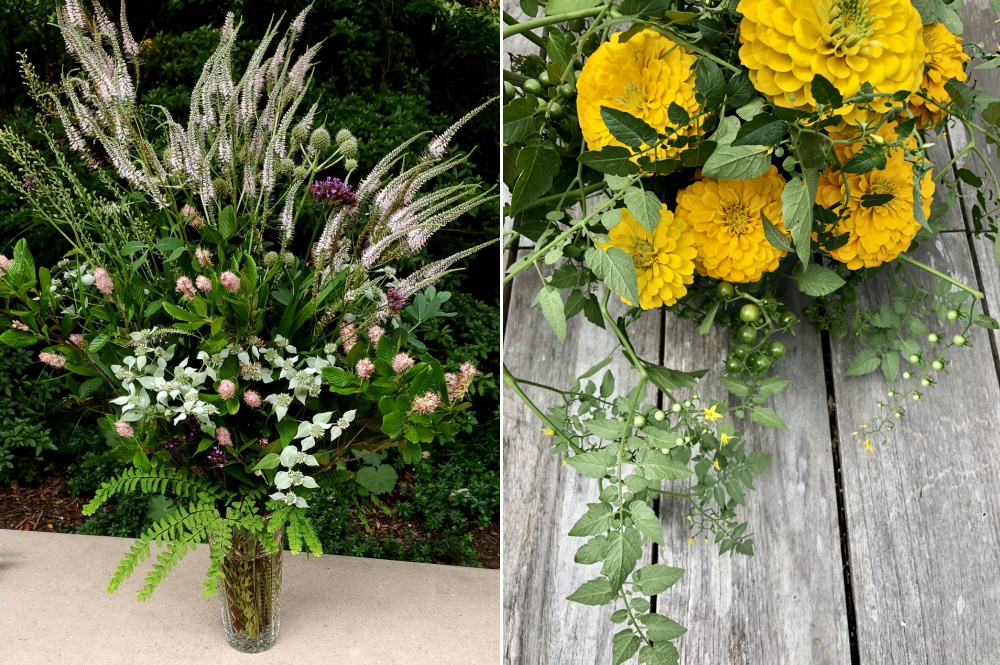
annuals, G A R D E N S, gardeningFebruary is the month for seed catalogs and placing orders for perennials. Along with the orders for clients and our nursery, I also have a list for home- at the request of my wife pushing me for more cut-able flowers. The specific requests for our house are foliage and flowers in whites, greens and blacks/purples that can be cut throughout the summer for arrangements in the house. We have a very large yard that we could create an area that is designated only for these annuals and few perennials. However, from the request list (and my own selection) we are going to add these plants to our pre-existing beds. The main change will be moving some roses, the majority of the plants will just be designed into the correct sun/shade locations already open in the landscape. The task of selecting locations is helped by the fact the foliage and flower colors coordinate the existing palate at our home. Let me know your thoughts….
I think the idea of designing for bringing the flowers and foliage indoors is great to allow your landscape beds to be more than curb appeal. It also allows those without ample space to get both beautiful landscape and flowers for inside. However, flowers that are often used for cutting have less attractive foliage so designing a landscape that is beautiful indoors and out is tricky and takes knowing each plants advantages and disadvantages. Here are break downs of some cutting borders for you to use as inspiration.
What’s in season at Red Twig Farms – Pussy Willows
UncategorizedWe have been harvesting pussy willow branches from Red Twig Farms. We have been selling bunches to our local Whole Foods and at Rose Bredl in the Short North. The selection we have available is a French variety with a slight pink tint, and next year we will have a few more varieties for sale.
We are taking photos of the stems in our home and it has been really nice have buckets of pussy willows in the house reminding us spring is on the way.
I stumbled across this back issue of Martha Stewart Magazine with an article on different types of willows and how to bring the cut stems indoors.
Disclaimer: my wife is both stylist and photographer on the images above.
Our trip to Nashville
Landscape Design, UncategorizedThis past weekend I made the 6 hour drive to Nashville with the family to visit the Nashville Antique & Garden Show. The show was one reason for going the others were to get out of Ohio for a bit and to explore Nashville. Here is a recap of the trip:
Nashville Antique & Garden Show
We just visited the show portion and did not make it to any of the speakers. I was disappointed in the show garden portion. There were really only four displays and some were better than others. The vendors with the garden antiques had some very interesting and unique items, but the majority of the show was focused on the antiques with some amazing items. We had a great time, but I would not go for the display gardens. 
These items were from Thistle. which was located right when you walked into the show. She had a great interpretation of some common items like the wire hay feeders and the sheets of aged zinc. She will also be at the Chicago Antique & Garden Fair so if you are attending look for her booth.
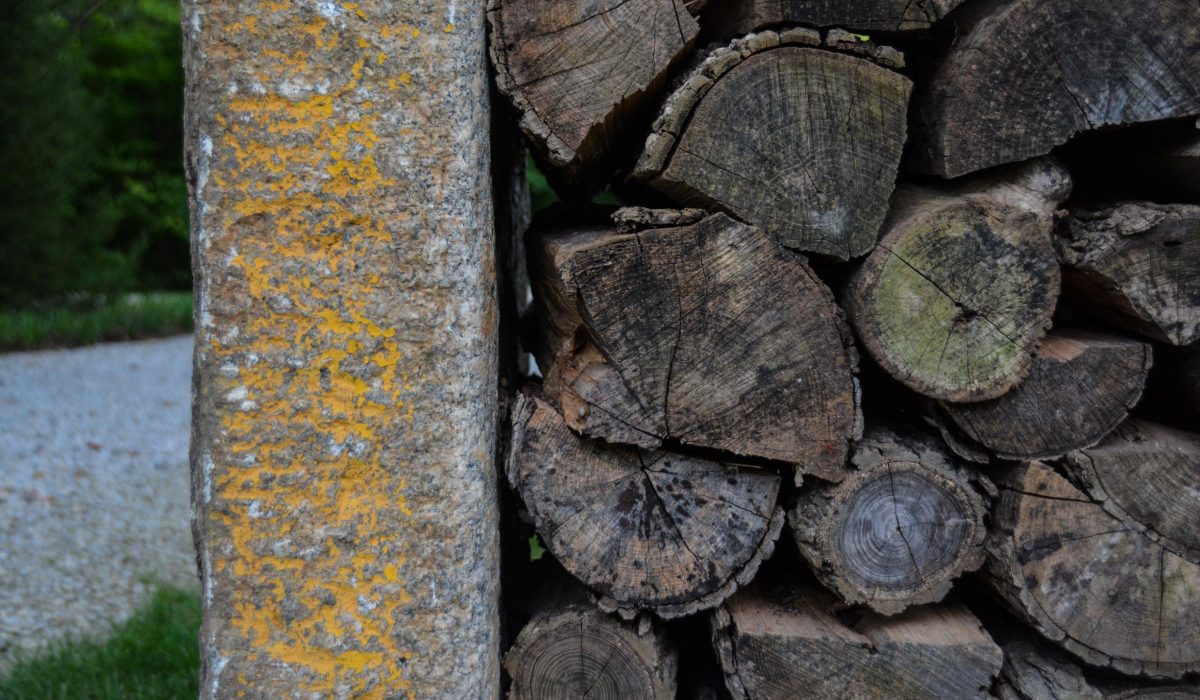
I did not catch the name of this vendor, but they had a great selection of weathered garden items. Note the lichens on the faux bois benches.
I also did not get the name on this vendor but had a great presentation of the zinc tubs and dolly pots. The over sized lanterns were also amazing.
This was the display garden designed by Page | Duke (forgot the installer). Each garden was a tribute to a fabric by Albert Hadley. It was a great design, but I wanted to meet the designers and installer teams.
This display garden was designed by Anne Daigh and was an amazing interpretation of the Hadley pattern inspiration.
This was an interesting paving example from the garden by Kathi Medlin Gilleland, Brian Gilleland and Alfredo Varela.
Cheekwood Botanical Gardens
Even though it is February, we took an afternoon to explore Cheekwood Botanical Gardens. The weather was perfect and from the house you could see far across the valleys. We had a great time and were even able to find some Hellebores blooming.
Landscape Design in Nashville
Question for anyone that lives in Nashville. While driving around Belle Meade and the surrounding area we were expecting to see some amazing landscapes with the grand homes. There were lots of large old boxwoods but very few perennial beds. The climate is perfect for perennials, but they just did not exist. We even drove down to Brentwood to the newer homes and no really amazing landscape designs. Are there any amazing gardens we were missing? We found these two below in Belle Meade, but they were the exception.
We had a wonderful time, we even extended our trip an extra day so we could see more. We had great food including Burger Up, popsicles from Las Paletas, and even tried HOT Chicken. We will be going back another time, either in the spring or fall.
Outdoor Fun: Ping Pong
UncategorizedI love to play Ping Pong and what is better than playing a game outside? Here are three options for every budget and commitment to playing the game, now we just need the snow to melt.